

Elm Project Tsitsikamma, a community-driven animal welfare organisation, plays a crucial role in addressing several social ills in poverty-stricken areas. By focusing on rescuing and helping abused animals, spaying and neutering programs, and educating the community about animal welfare, it targets multiple interconnected issues. These include:
1. Animal Cruelty and Abuse
In underserved areas, animals often face neglect, abuse, and violence due to a lack of awareness and resources. Elm Project Tsitsikamma works tirelessly to rescue abused animals, providing them with medical care, and offer shelter. This helps mitigate the widespread issue of animal cruelty and offers a path toward healing for both the animals and the community.
2. Overpopulation of Animals
Without proper spaying and neutering, many communities face an overwhelming overpopulation of stray animals. This not only strains resources but leads to an increase in abandoned, malnourished, and diseased animals. Through spaying and neutering programs, Elm Project Tsitsikamma helps curb this problem, preventing the birth of unwanted animals and alleviating the strain on shelters and the environment.
3. Poverty and Lack of Resources
Poverty is often a driving factor in neglecting animals. In many poor communities, people struggle to meet basic needs for themselves and their families, making it difficult to care for pets. The Elm Project’s work to provide low-cost or free spaying, neutering, and veterinary services helps alleviate the financial burden and encourages responsible pet ownership, reducing the number of abandoned animals.
4. Lack of Education on Animal Welfare
Many of the social issues surrounding animals stem from a lack of education. Communities may not understand the importance of proper pet care, the impact of overpopulation, or the benefits of spaying and neutering. Elm Project Tsitsikamma combats this by providing educational programs, workshops, and outreach efforts that teach responsible pet ownership, empathy, and respect for animals, aiming to foster a compassionate society for both humans and animals.
5. Health and Disease Transmission
Stray animals are often carriers of diseases that can spread to other animals and humans, such as rabies, parasites, and other zoonotic diseases. Overpopulation exacerbates these health risks. Elm Project Tsitsikamma’s efforts to spay, neuter, and provide health care to animals help reduce the spread of diseases and improve the overall well-being of the community.
6. Environmental Impact
The overpopulation of stray animals can also have a negative impact on local ecosystems, particularly in areas where wildlife and domestic animals compete for food and shelter. Elm Project Tsitsikamma works to mitigate this by managing the stray animal population through its programs, ensuring a better balance between domestic and wild animals.
7. Mental and Emotional Well-being of the Community
The suffering of animals can have a profound emotional toll on individuals in the community. Many people in poverty-stricken areas experience high levels of stress and trauma, and witnessing or being aware of animal cruelty can exacerbate these feelings. By providing rescue services and educating the community, Elm Project Tsitsikamma helps create a sense of hope, compassion, and solidarity, ultimately improving the mental and emotional well-being of both individuals and animals.
Through these efforts, Elm Project Tsitsikamma is tackling the broader social issues of poverty, neglect, violence, and ill-health, creating a more harmonious environment for both animals and people, not only providing immediate relief to animals in need but also fosters long-term cultural change in attitudes towards animals and responsible care in the community.
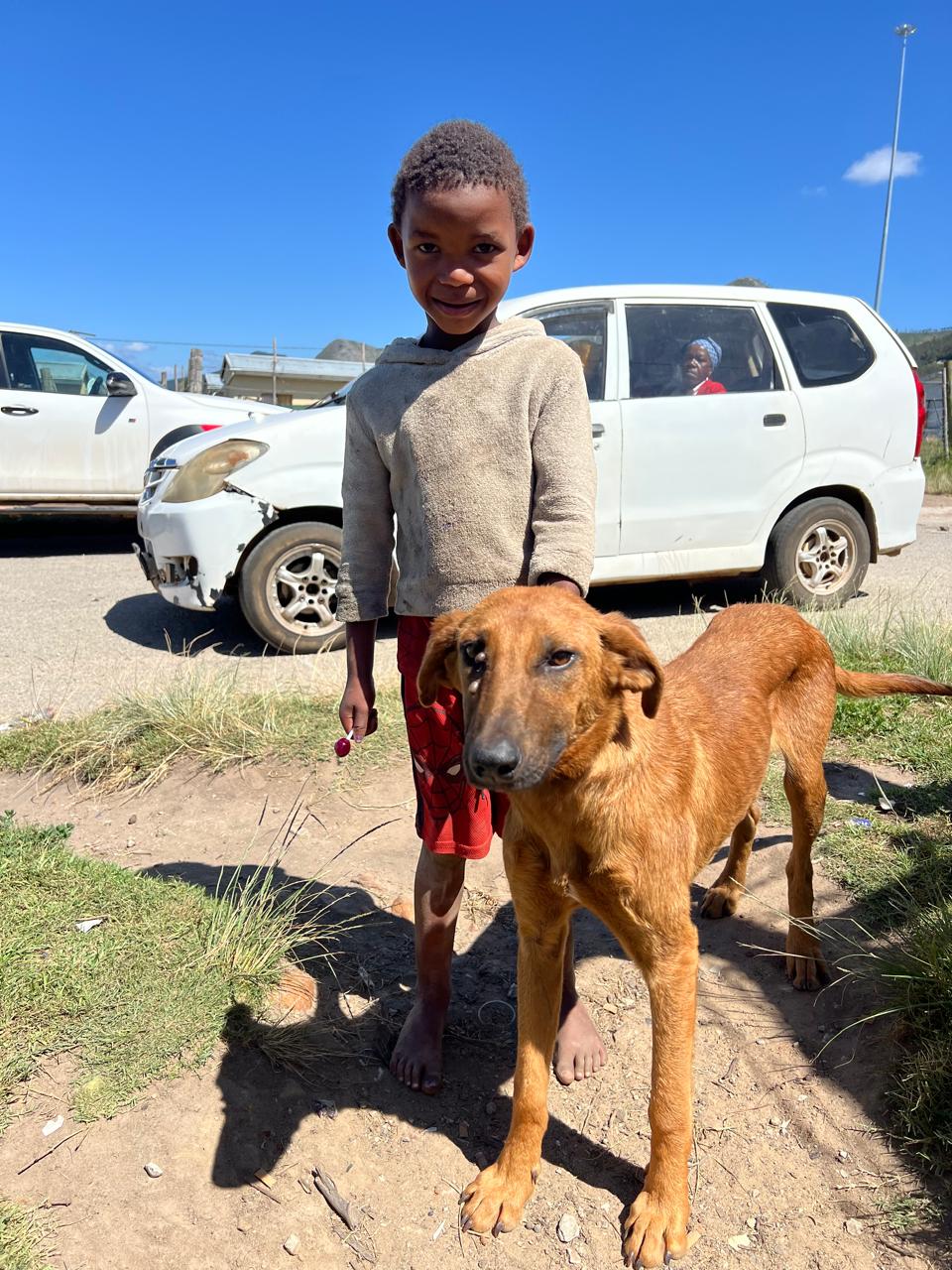

Understanding the ELM Project
The ELM project focuses on integrating ecosystem management with community livelihoods. This holistic approach ensures that both wildlife and local populations thrive together. Key objectives include:
- Animal Welfare: Protecting and aiding , community animals deprived of treatment and medical support needed for animals .
- Community Empowerment: Supporting local communities through sustainable practices that welfare and care for animals.
- Education and Awareness: Raising awareness about the importance of animal welfare and conservation among community members, especially youth.
Why Volunteering Matters
Volunteering is a powerful way to contribute to the ELM project and support animal welfare in Tsitsikamma. Here are several reasons why your involvement is crucial:
- Hands-On Impact: By volunteering, you can directly assist with animal care, rehabilitation efforts, and habitat restoration projects. Your time and effort can significantly improve the lives of vulnerable animals.
- Community Engagement: Volunteering helps foster relationships between conservationists and local communities, ensuring that everyone benefits from sustainable practices.
- Educational Opportunities: As a volunteer, you will gain valuable experience in wildlife conservation and ecosystem management, enhancing your understanding of these critical issues.
- Inspiring Change: Your commitment to volunteering can inspire others to take action, creating a ripple effect that encourages more people to get involved in animal welfare.
How to Get Involved
Here are some ways you can volunteer your time to support the ELM project in Tsitsikamma:
- Join Local Programs: Join volunteer opportunities focused on animal welfare assisting with their care and rehabilitation.
- Participate in Community Outreach: Engage with local communities through educational programs that promote responsible pet ownership, wildlife conservation, and sustainable practices.
- Assist with Research Projects: Volunteer for research initiatives that collect data on local animal populations.
- Help at Animal Shelters: Volunteers to help care for abandoned or injured animals. Your support can provide them with the attention they need while they await adoption.
- Volunteering your time to support the ELM project in Tsitsikamma is an invaluable way to contribute to animal welfare and environmental sustainability. By getting involved, you can help protect vulnerable species, empower local communities, and promote a healthier ecosystem for future generations.
Your passion for animals and commitment to making a difference can create lasting change in this beautiful region of South Africa. Join us in supporting the ELM project—because together, we can ensure a brighter future for both wildlife and communities in Tsitsikamma!