


Education & Responsible Pet OwnershipUncategorized
Canine Parvovirus, or Parvo, is one of the most feared diseases affecting dogs, particularly puppies. This highly contagious virus can spread rapidly and cause severe illness, but with early detection and proper care, many dogs can recover. In this article, we’ll break down what Parvo is, its symptoms, the best course of treatment, and what you can do to protect your dog from this deadly virus.
What is Parvo?
Parvo is a viral infection that primarily affects the gastrointestinal system of dogs, leading to symptoms like severe vomiting, diarrhea, and dehydration. It’s caused by the canine parvovirus, a virus that can survive in the environment for long periods, making it highly contagious. Parvo is especially dangerous to puppies under six months old, unvaccinated dogs, and dogs with weakened immune systems.
How Parvo Spreads
Parvo is spread through direct contact with an infected dog or exposure to contaminated objects, surfaces, and even the environment. Fecal matter from an infected dog contains high levels of the virus, which can survive for months on surfaces like floors, kennels, and outdoor areas. Even an infected dog’s saliva, urine, or vomit can carry the virus, though fecal matter is the most common mode of transmission.
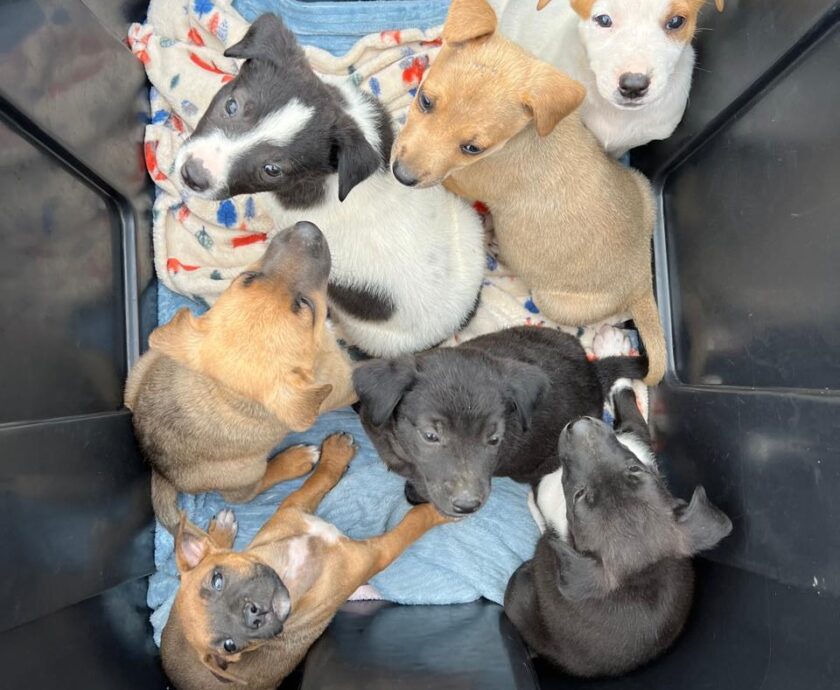
Puppies are most vulnerable to Parvo because their immune systems are still developing. However, even adult dogs that haven’t been vaccinated can catch the virus.
Parvo Symptoms: The Telltale Signs to Watch For
Recognizing the symptoms of Parvo early is crucial for ensuring that your dog receives timely medical care. If your dog is showing any of these signs, seek immediate veterinary care.
1. Severe Vomiting and Diarrhea
- The hallmark symptoms of Parvo are vomiting and profuse diarrhea that is often bloody or mucousy. This can lead to severe dehydration, which is one of the biggest risks of the disease.
2. Lethargy and Weakness
- Infected dogs often become extremely lethargic and show signs of weakness. They may not be interested in food or water and might exhibit decreased activity levels.
3. Loss of Appetite
- Parvo causes dogs to lose their desire to eat, which further contributes to dehydration and weakness. Dogs may avoid even their favorite foods.
4. Fever
- In the early stages of the infection, some dogs will develop a high fever as their body tries to fight off the virus.
5. Abdominal Pain
- A dog with Parvo may show signs of abdominal discomfort, such as bloated or tender belly, which can cause them to appear restless or distressed.
6. Dehydration
- Parvo leads to rapid fluid loss through vomiting and diarrhea. Dehydration becomes critical and can result in shock and even organ failure if untreated.
7. Foul Odor from the Stool and Vomit
- The stool and vomit of Parvo-infected dogs often have a strong, foul odor due to the destruction of the intestinal lining.
What To Do If You Suspect Parvo
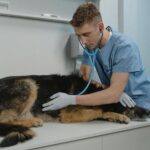
If your dog is showing any of the above symptoms, immediately contact your veterinarian. Parvo is a medical emergency, and the sooner your dog is treated, the better their chances of recovery.
Here are the essential steps you should take:
- Contact Your Veterinarian: If your dog exhibits signs of Parvo, call your vet to explain the symptoms and follow their advice. They may recommend bringing your dog in for immediate evaluation and treatment.
- Isolation: Parvo is extremely contagious. Keep your dog isolated from other animals to prevent spreading the virus, especially if you have multiple pets. Also, avoid visiting public dog parks or places with other animals.
- Prepare for Veterinary Treatment: Your veterinarian will perform tests to confirm if your dog has Parvo, typically through a fecal test. If confirmed, they will likely recommend hospitalization for intravenous fluids, antibiotics, and other supportive care.
Parvo Treatment: What to Expect
While there is no cure for Parvo, early intervention and supportive care significantly improve your dog’s chances of survival. Treatment generally focuses on replacing fluids, controlling symptoms, and preventing secondary infections.
1. Hydration and Fluid Therapy
- Dehydration is the most immediate danger in Parvo-infected dogs. Your vet will likely administer intravenous (IV) fluids to rehydrate your dog and maintain electrolyte balance.
2. Antibiotics
- Since Parvo damages the intestines, it can leave the body vulnerable to secondary bacterial infections. Antibiotics may be prescribed to help prevent or treat any infections.
3. Anti-Viral Medications
- There are no specific antiviral medications for Parvo, but your vet may use supportive medications to manage symptoms like vomiting, nausea, and diarrhea.
4. Pain Relief
- Parvo often causes abdominal discomfort. Your vet may administer pain relief to make your dog more comfortable during recovery.
5. Constant Monitoring
- Parvo requires continuous monitoring for vital signs, and sometimes pets require overnight stays in the hospital. In severe cases, dogs may need blood transfusions or other specialized treatments.
Recovery Timeline
The recovery time for Parvo varies depending on the severity of the illness, the dog’s age, and the timing of treatment. Puppies may take 5 to 7 days to recover with intensive care, while adult dogs may recover in a week to 10 days with appropriate treatment.
Preventing Parvo: How to Protect Your Dog
Prevention is always better than cure. The good news is that Parvo is preventable through vaccination. Here are key steps to protect your dog:
1. Vaccinate Your Puppy
- Puppies should begin their Parvo vaccinations at around 6–8 weeks of age and continue with booster shots until they are at least 16–20 weeks old. After that, annual booster shots will maintain immunity.
2. Avoid High-Risk Areas
- Avoid public spaces where other dogs frequent until your puppy has completed their vaccination schedule. Avoiding parks, kennels, and pet stores is especially important in the first few months of life.
3. Disinfect Regularly
- Parvo can survive in the environment for months, so disinfect your dog’s bedding, toys, and living areas regularly using virucidal cleaning products. This reduces the risk of your dog coming into contact with contaminated surfaces.
4. Limit Contact with Infected Dogs
- If you know of any dogs in your area that are sick or may be infected with Parvo, avoid contact with them until they have recovered fully.
Conclusion: Understanding Parvo and Saving Your Dog
Parvo is a serious and potentially life-threatening disease, but with timely intervention, most dogs can survive and recover. Recognizing the symptoms early and seeking immediate veterinary care is key to improving the chances of recovery.
Remember, vaccination is the best defense against Parvo, so make sure to keep your dog’s vaccinations up-to-date. If your dog is exhibiting any symptoms of Parvo, don’t hesitate to get them checked by a veterinarian immediately.
For more information about Parvo or to get advice on protecting your dog, contact your vet or visit trusted animal welfare organizations like the Elm Project.
FAQs About Parvo
- Can adult dogs get Parvo? Yes, adult dogs that are not vaccinated or have compromised immune systems are at risk.
- How long can Parvo survive on surfaces? Parvo can survive for months on contaminated surfaces like floors, kennels, or even in your yard. Regular cleaning with the right disinfectants is important.
- What is the survival rate of Parvo? With prompt treatment, the survival rate for dogs with Parvo is around 70–80%, but it depends on factors like the dog’s age, health, and timing of treatment.
- Can Parvo spread to humans or other animals? No, Parvo is specific to dogs and does not affect humans or other animals.
For further advice or to donate to help rescue dogs in need, please contact Elm Project (NPO314-020) at info@elmproject.org.za or call 082 686 6067.